

01
Face recognition
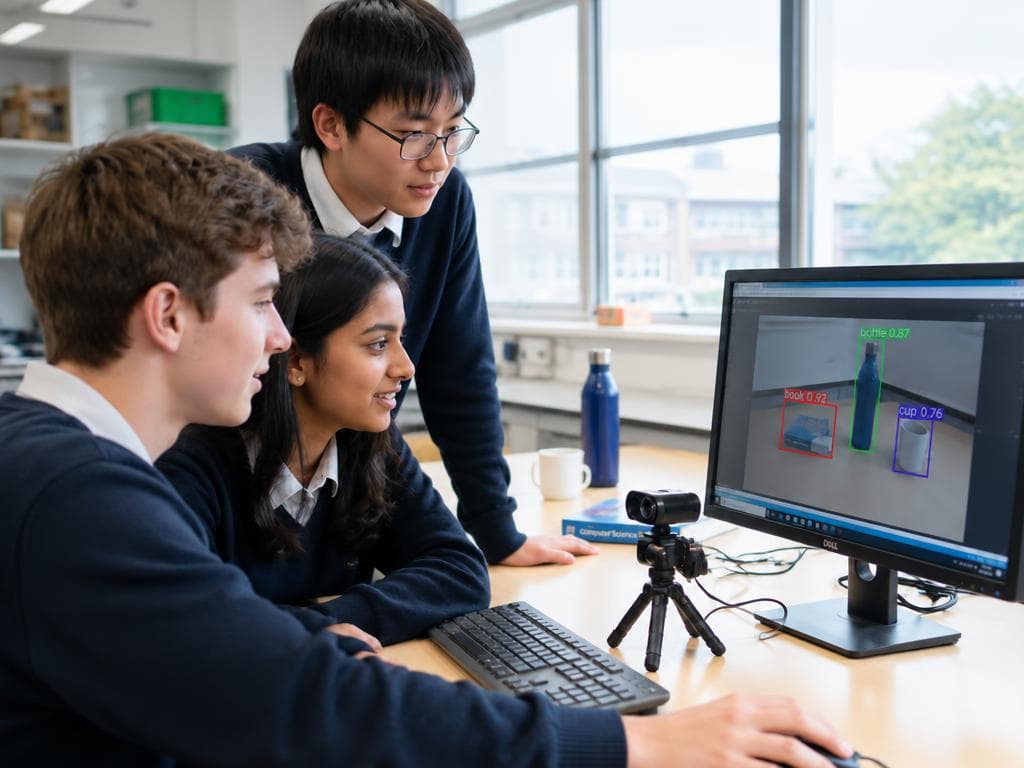
AI-powered face recognition enhances security systems by monitoring and identifying individuals in real-time across public and private spaces.
Explore case study

For schools, students & parents
AI learning pathways for young people. A new perspective on the world around us.
AI is already part of everyday life, from online recommendations to tools that work with images, language and information. Learning about AI helps young people understand how these systems work, question their results and decide when they should be used.
Don’t get left behind. Study AI to build knowledge and skills that can help keep your future relevant as technology and work continue to change.
Edventix offers learning pathways for students from Year 7 upwards. Through clear explanations, activities, discussion and real-world examples, students explore how AI learns, works with images and language, generates content and supports decisions. They build their understanding step by step, while considering AI’s benefits, limitations and impact.
Discuss a programme for your child or for your school

The pathways
Learning in practice
AI is already part of many systems people encounter every day, from wearable devices and virtual assistants to face recognition and smart home technology. It is also used in areas such as CCTV monitoring, luggage security, asset monitoring and deep-sea research.
The Edventix Learner Hub helps students look beyond what these systems do and explore how they work. What information do they use? What decisions or predictions do they make? How well might they perform in different situations? Students consider who benefits, where systems can fall short, and what safeguards or responsibilities matter.
By connecting AI ideas to practical examples, students can build a clearer picture of AI’s role in the world and develop thoughtful questions about its uses and effects.
AI-powered face recognition enhances security systems by monitoring and identifying individuals in real-time across public and private spaces.
Explore case study
Smart wearable devices powered by AI monitor biometrics such as heart rate, activity, and sleep, providing health data, alerts, and insights for personalized wellness.
Explore case study
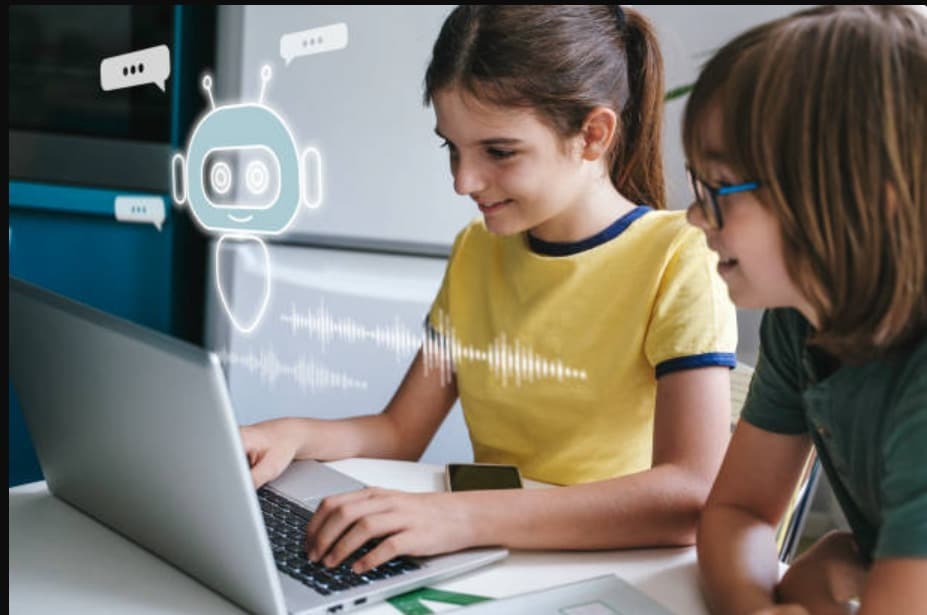
Voice assistants like Alexa, Siri, and Cortana use advanced AI-driven speech recognition and natural language processing to understand user commands and provide hands-free, conversational interactions across devices.
Explore case study
AI-enabled smart devices such as lights, toilets, and thermostats learn user preferences and optimize energy use, convenience, and hygiene for modern smart homes.
Explore case study
AI leverages satellite remote sensing data and machine learning to identify and monitor deep-sea volcanic activity, improving early warning systems and geological research.
Explore case study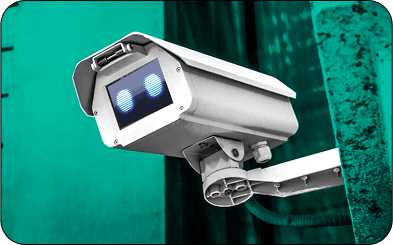
AI-powered CCTV monitoring systems detect unusual behavior, recognize faces, and provide real-time alerts, making surveillance more responsive and efficient.
Explore case study
AI-driven luggage and cargo management identifies and tracks items via image processing and automated sorting, minimizing errors in transportation and logistics industries.
Explore case study
Asset monitoring systems use AI to track, analyze, and secure important physical or digital assets, enabling predictive maintenance and loss prevention.
Explore case study
Autonomous weapons can identify and attack targets with limited human control, raising ethical and legal concerns in warfare.
Explore case studyTestimonials
Hear how students and educators experience learning, exploring and understanding AI with Edventix.
The activities made AI concepts easier to understand and connect with things I encounter in everyday life.
Illustrative sample testimonials, shown for layout only. They are not endorsements from real learners or educators.
Insights
Explore how governments, educational institutions and international organisations are shaping the future of AI education.

Sets out student competencies in AI techniques, applications, ethics and system design, with a progression from understanding to applying and creating.

Explores why students need AI literacy, including knowledge, skills and values. Its survey found 11 countries had endorsed school AI curricula and four more were developing them at that time.
A 2022 historical snapshot — not a current country count.

The UK Government describes efforts to strengthen pupils' digital and AI literacy in England's computing curriculum. It also describes Experience AI, a free programme for young people aged 8–16.
The computing curriculum changes are still being introduced — not all are in place yet.
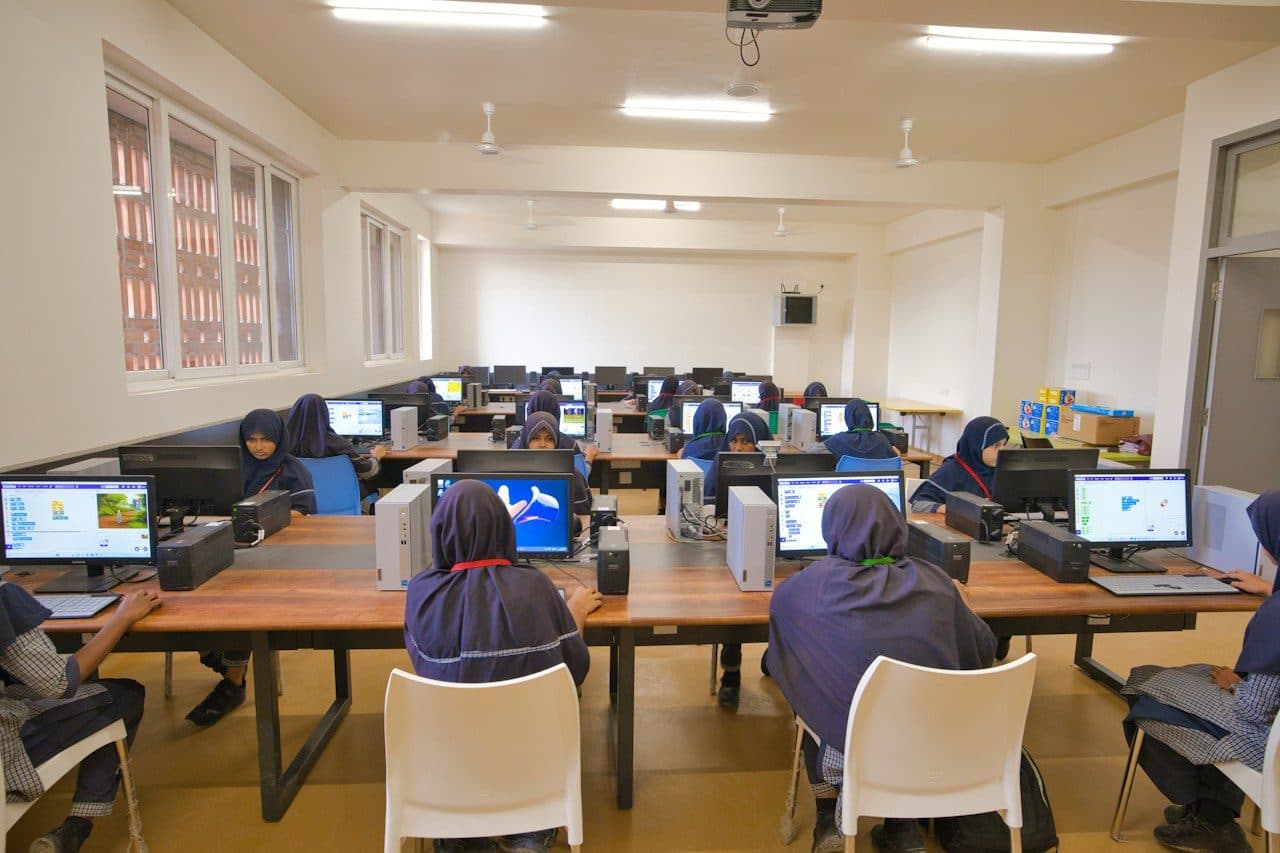
An announcement through Emirates News Agency describes AI being introduced as an official subject in public schools from kindergarten to Grade 12 for the 2025–26 academic year, covering concepts, applications and ethics.

Estonia launched AI Leap, initially targeting 20,000 students in Grades 10–11 and 3,000 teachers, with AI learning tools and teacher training.

The Press Information Bureau reports a dedicated computational thinking and AI curriculum for Classes III–VIII from the 2026–27 school year, with AI and related curricula also finalised for Classes IX–XII.

China's government portal reports an AI literacy action plan calling for AI education to be integrated into primary and secondary curricula nationwide, including interdisciplinary teaching.
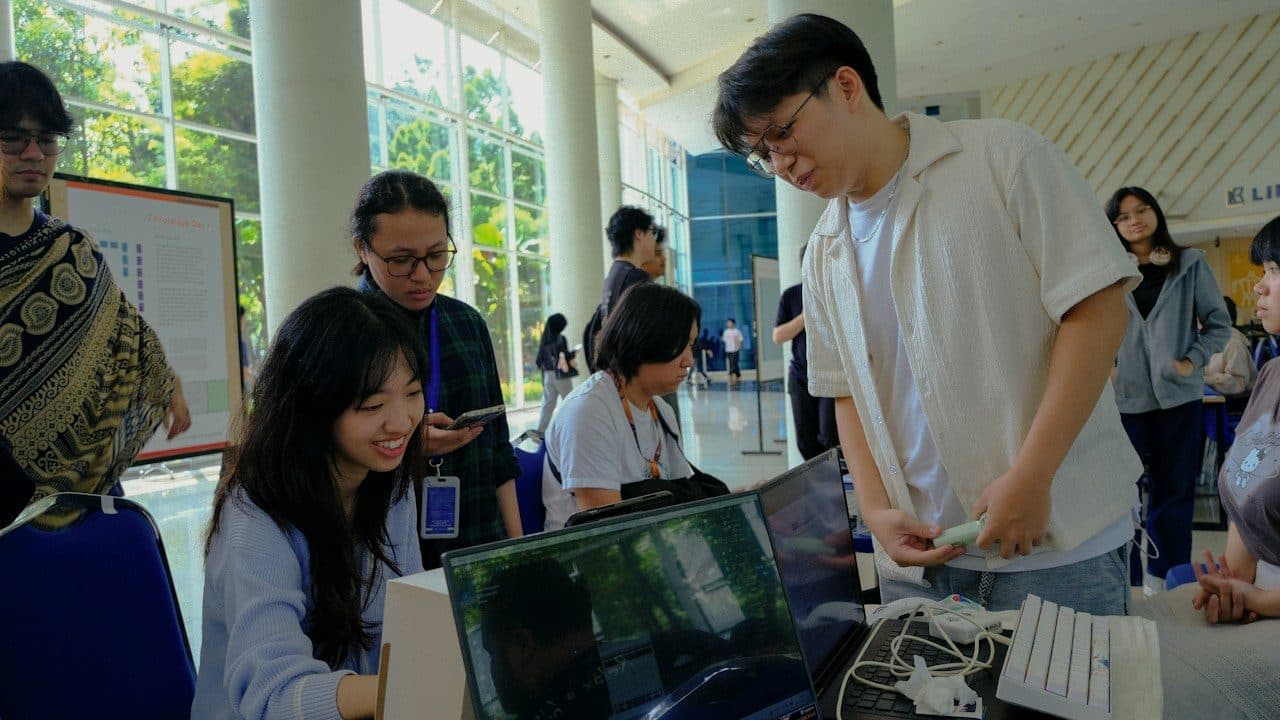
Singapore's Ministry of Digital Development and Information describes school learning that helps students understand AI's uses, risks, limitations and ethical considerations, alongside age-appropriate AI learning modules.
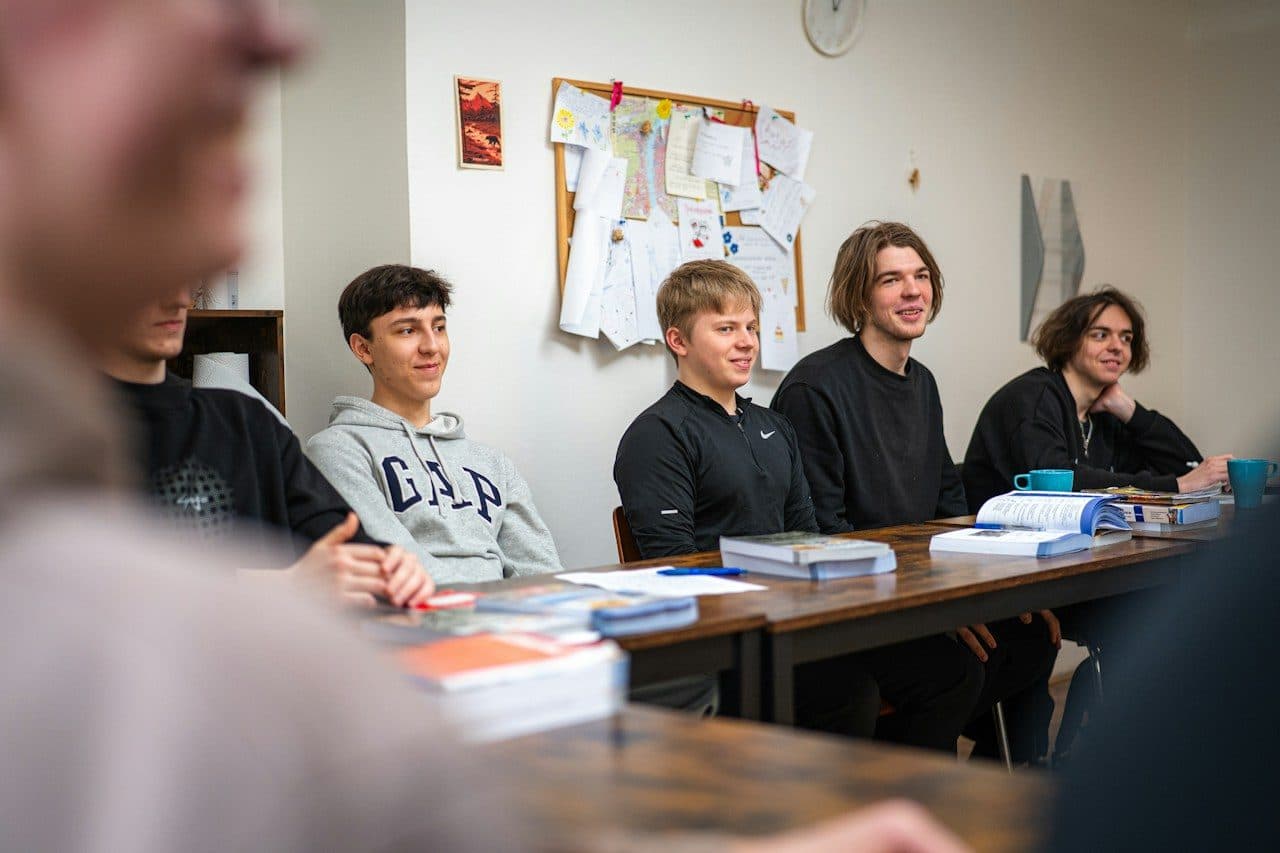
KISDI reports that an AI ethics textbook was released for use in elementary, middle and high schools to strengthen students' AI and ethical understanding.
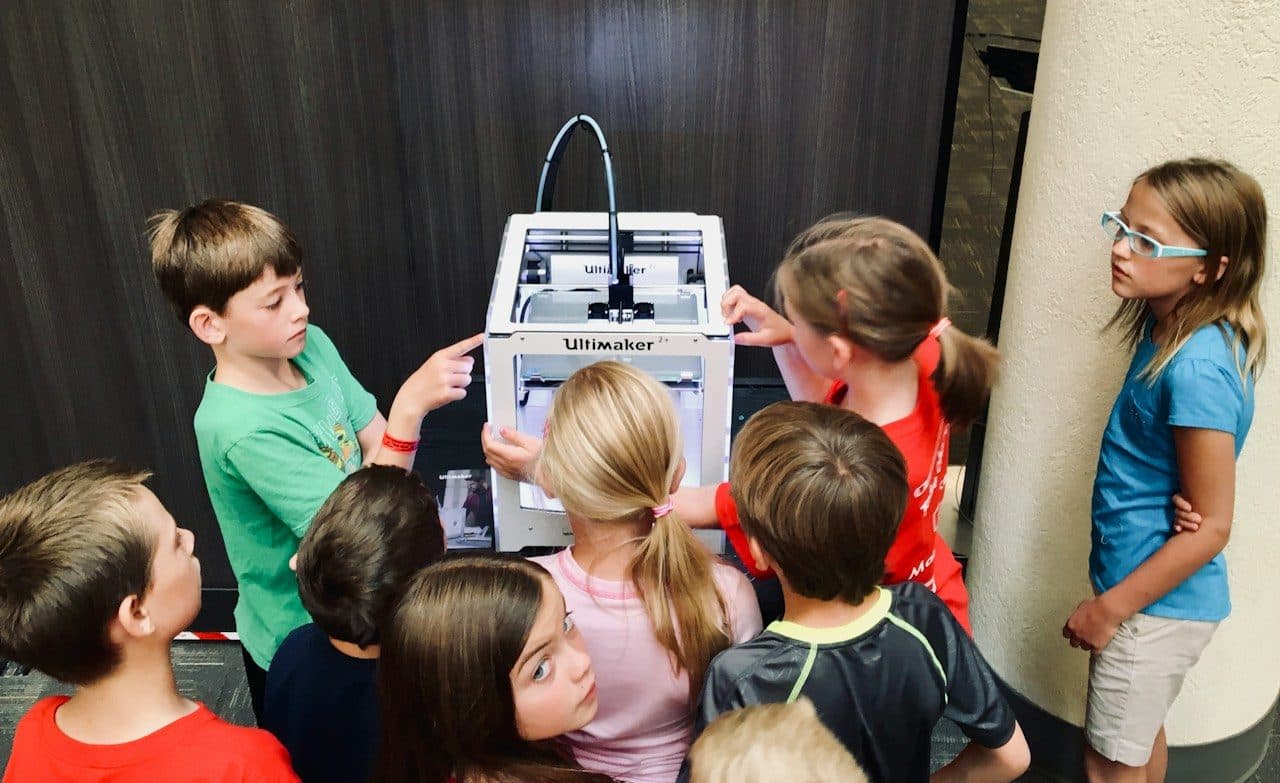
Documents initiatives such as AI4Youth in Poland, AI for Children in Czechia, and the Netherlands' National Education Lab AI.
For Schools
Discuss a school trial or explore a school partnership with Edventix.
Discuss a school trialFor Parents
Register your interest to hear about upcoming Edventix programmes and batch announcements.
Register your interestInterest registration only. Not a booking or confirmed place.